How to Clean Dryer Vents to Prevent Fire Hazards in Camarillo, California
Lint-clogged dryer vents cause thousands of house fires every year. Here is how to clean yours in Camarillo, California, and the warning signs to watch for.
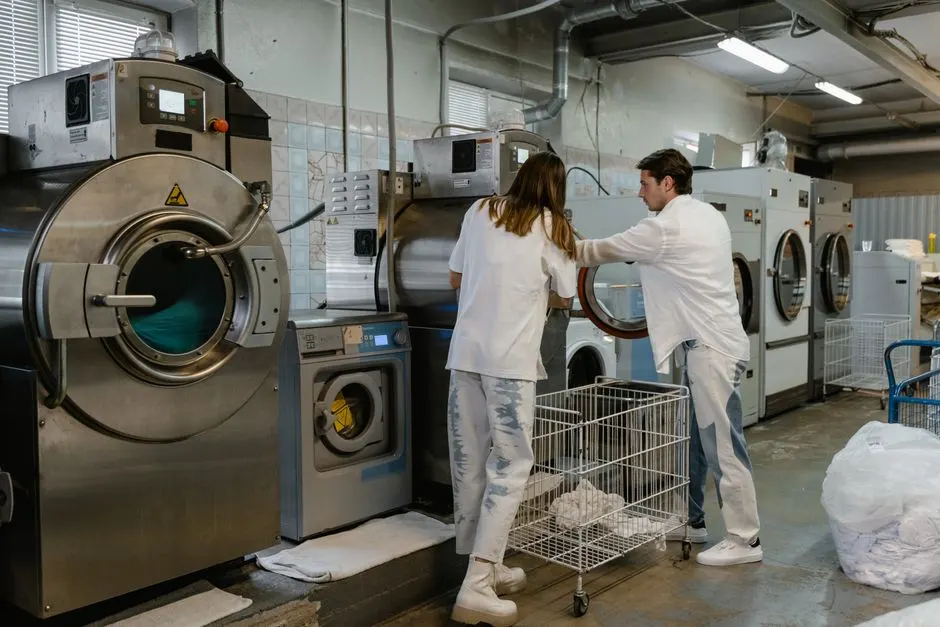
Cleaning a dryer vent to prevent fire hazards means removing the lint, dust, and debris that build up inside the duct between the dryer and the exterior wall, then verifying that hot exhaust air can escape freely. In Camarillo, California, that job usually takes 30 to 60 minutes with a vent brush kit and a shop vacuum, and it should be done at least once a year. This guide walks through why the buildup happens, the warning signs, the exact cleaning steps, and when it makes more sense to hand the job to a professional.
We run Fix Edge Works out of Camarillo, and we have pulled enough packed lint out of local vents to know this is not a chore you want to skip. The rest of this post covers the fire mechanics, the tools, the step-by-step process, and the mistakes that leave homeowners thinking a vent is clean when it is not.
Why Clogged Dryer Vents Start Fires
A clogged dryer vent starts fires because lint is highly flammable and the dryer pushes 130°F to 160°F air through it for 45 minutes at a time. When airflow drops, heat backs up into the dryer drum and the duct itself. A single spark from the motor or a worn heating element is enough to ignite the lint blanket coating the inside of the pipe.
The U.S. Fire Administration attributes roughly 2,900 home dryer fires every year, with failure to clean the vent listed as the leading cause. Those fires cause an estimated five deaths, 100 injuries, and $35 million in property loss annually. The math is simple: the more lint, the less airflow, the hotter the duct gets.
Camarillo homes have a specific wrinkle. A lot of our housing stock was built between the 1960s and 1990s, and many of those builds used long, winding vent runs through the attic or under the slab. Every extra elbow adds friction. A 25-foot run with four 90-degree turns can cut airflow by more than half compared to a straight 10-foot run.
If you want the broader picture of how ductwork health affects your whole home, our team covers that on our Air duct Cleaning page. Dryer vents are one piece of the same system.
Signs Your Dryer Vent Needs Cleaning in Camarillo California
Signs your dryer vent needs cleaning in Camarillo California show up in three places: how long clothes take to dry, how hot the dryer and laundry room feel, and what you can see at the exterior vent flap. If any of these sound familiar, the vent is overdue.
- Clothes take two cycles to dry. A normal load should finish in 45 to 60 minutes. If you are running it twice, airflow is restricted.
- The dryer top or door feels hot to the touch. Heat that cannot escape the drum is heat building up in the duct.
- The laundry room feels humid or smells like burnt lint. That burnt smell is the one to take seriously. Stop using the dryer until the vent is cleared.
- The exterior vent flap barely moves. Go outside while the dryer runs. You should feel a strong, steady stream of warm air. A weak puff or nothing at all means a blockage.
- You find lint around the outside vent opening or on the ground below it. Lint escaping the duct means the duct is packed.
One more sign most homeowners miss: the dryer itself starts shutting off mid-cycle. Modern dryers have thermal cutoffs that trip when internal temperatures climb. If yours is doing that, the vent is the first thing to check, not the appliance.
We see these symptoms constantly in the older ranch homes around Air duct Cleaning in Camarillo Heights, where long vent runs and original 1970s ductwork are still in service. If your home was built in that era, assume the vent has never been properly cleaned unless you have documentation showing otherwise.
How Do I Clean My Dryer Vent in Camarillo California?
You clean a dryer vent in Camarillo California by disconnecting the dryer, vacuuming the duct from both ends, running a vent brush through the full length, and clearing the exterior flap. Here is the process we use, step by step.
- Unplug the dryer and pull it out. Give yourself at least three feet of clearance. Shut off the gas valve if you have a gas dryer.
- Disconnect the duct. Loosen the clamp holding the duct to the dryer's exhaust port. If the duct is foil or plastic flex, inspect it carefully. Crushed or torn flex is a fire hazard on its own and should be replaced.
- Vacuum the dryer port and the duct opening. Use a shop vacuum with a crevice tool. Get as much loose lint as you can reach before you start brushing.
- Run a vent brush through the duct. A 4-inch auger brush on a flexible rod works for most residential runs. Push it through in both directions. Attach the brush to a drill for stubborn buildup.
- Vacuum the exterior vent. Go outside, remove the vent cover, and vacuum out everything the brush pushed toward the exit. Clear the flapper so it swings freely.
- Reconnect and test. Reattach the duct, plug the dryer back in, and run it on air-only for five minutes. Go outside and confirm strong airflow at the vent.
One safety note: if your duct is the white vinyl flex that was common in the 1980s and 1990s, replace it with rigid or semi-rigid aluminum. Vinyl flex traps lint, sags, and burns. It is banned by most modern building codes for dryer exhaust.
If you would rather not crawl behind the dryer or climb to a roof vent, our dryer vent cleaning camarilo service handles the full job, including duct inspection and replacement recommendations.
How Often Should Dryer Vents Be Cleaned to Prevent Fires in Camarillo?
Dryer vents should be cleaned at least once a year to prevent fires in Camarillo, and every six months if you have a large household, pets, or a vent run longer than 15 feet. The National Fire Protection Association recommends annual cleaning as a baseline, and most dryer manufacturers specify the same interval in their owner's manuals.
Household size matters more than most people realize. A family of two doing four loads a week generates far less lint than a family of five doing fifteen loads. Pets add another layer. Dog and cat hair passes through the lint trap more easily than fabric lint and packs into the duct walls.
Vent length is the third variable. A short, straight run to an exterior wall stays cleaner longer. A long run through an attic or crawlspace accumulates lint faster because airflow is slower at the far end. If your vent exits on the roof, add a second annual inspection for bird nests and debris around the cap.
Here in Camarillo, the dry Santa Ana winds that blow through in fall and winter push dust and debris into exterior vent caps. That is one reason we recommend scheduling cleaning in late summer or early fall, before the windy season starts.
DIY Dryer Vent Cleaning vs Professional Camarillo Service
DIY dryer vent cleaning works fine for short, straight, easily accessible runs. Professional cleaning is the better call for long runs, roof exits, second-story laundry rooms, or any vent that has never been serviced.
Here is the honest comparison for a typical Camarillo home.
- DIY cost: $25 to $60 for a brush kit and vacuum attachment. Time: 30 to 90 minutes.
- Professional cost: $99 to $189 for a standard residential dryer vent cleaning in 2026 pricing for this area. Time: 30 to 45 minutes.
- DIY risk: Missing a blockage, damaging flex duct, or failing to clear the exterior cap.
- Professional advantage: Camera inspection, airflow measurement, and duct condition assessment.
The DIY route makes sense if your dryer backs up to an exterior wall and the run is under 10 feet. Anything longer, or any vent that exits through the roof or a second-story wall, is worth paying for.
We also bundle dryer vent work with broader services. If you are already scheduling residential air duct cleaning camarilo, adding the dryer vent to the same visit usually costs less than booking it separately.
Common Mistakes That Create Fire Risk
The most common mistake is assuming the lint trap catches everything. It does not. The trap catches roughly 80 percent of the lint a load produces. The other 20 percent travels into the duct, and that is the portion that accumulates into a fire hazard over months and years.
Here are the other mistakes we see regularly.
- Using vinyl or foil flex duct. Both trap lint and both can ignite. Rigid aluminum or semi-rigid aluminum is the only safe option.
- Crushing the duct behind the dryer. Pushing the dryer too close to the wall kinks the duct and chokes airflow.
- Skipping the exterior vent. Cleaning only from the inside leaves a lint plug at the exit.
- Ignoring the transition duct. The short piece connecting the dryer to the wall duct collects the most lint of any section.
- Running the dryer while the vent is disconnected. This dumps lint and moisture into the laundry room and creates a fire risk inside the appliance.
One more: never clean a dryer vent with a leaf blower. It pushes lint into the duct and can compact it against a blockage, making the problem worse.
When to Call a Professional
Call a professional when the vent run exceeds 15 feet, exits through the roof, or has not been cleaned in over two years. Those are the situations where a brush kit and a shop vacuum stop being enough.
Our team at Fix Edge Works handles dryer vent cleaning across Camarillo, including roof exits and second-story laundry rooms. We inspect the full duct, measure airflow, and tell you plainly if the duct needs replacement. If you are already booking other ductwork, we can fold the dryer vent into the same visit.
If you have been putting this off, the fix is quick. A single visit clears the vent, confirms airflow, and gets the fire risk off your list.
Frequently Asked Questions
How do I clean my dryer vent in Camarillo California?
Unplug the dryer, disconnect the duct, vacuum both the dryer port and the duct opening, run a 4-inch auger brush through the full length, then clear the exterior vent flap. Test by running the dryer on air-only for five minutes and checking airflow outside. The job takes 30 to 60 minutes for a standard residential run.
How often should dryer vents be cleaned to prevent fires in Camarillo?
At least once a year, and every six months for households with pets, five or more people, or vent runs longer than 15 feet. The NFPA and most dryer manufacturers both specify annual cleaning as the minimum. Roof-exit vents should be inspected twice a year for debris and nests.
What are signs of a clogged dryer vent in Camarillo?
Clothes taking two cycles to dry, a hot dryer top or door, a burnt-lint smell in the laundry room, weak airflow at the exterior flap, and lint collecting around the outside vent opening. Any one of these means the vent is restricted and should be cleaned before the next load.
Can I clean my dryer vent myself in Camarillo California?
Yes, if the run is short, straight, and accessible from an exterior wall. A $25 to $60 brush kit handles most simple setups. For runs over 15 feet, roof exits, or second-story laundry rooms, professional cleaning is safer and gets better results.
What temperature does a dryer vent reach?
Exhaust air leaves the dryer at 130°F to 160°F. If airflow is restricted, internal duct temperatures can climb higher, and lint ignites at roughly 500°F. That gap is why airflow matters more than most homeowners assume.
Get Help with Air Duct Cleaning in Camarillo
If your dryer vent is overdue, or you want the whole system checked at once, our team handles dryer vents, HVAC ducts, and everything in between. We serve Camarillo and the surrounding Ventura County area.
Call Fix Edge Works at (844) 796-2017 to schedule your dryer vent cleaning and get the fire risk off your list.